

First-Time Car Buyers in Vancouver: When Renting First Actually Makes More Sense

Updated: Jan 13

As a Vancouver-based rental company, we see hundreds of vehicles and customers every year. Buying a used car for the first time? That first viewing can be exciting — but it’s also when sellers may try to hide problems. The biggest mistake is falling in love with a car before you even inspect it.
You don’t need to be a certified mechanic to spot most issues. With this 15-minute DIY used car inspection checklist, you can quickly separate a solid deal from a costly mistake. Bring a friend, take your time, and never let a seller rush you.
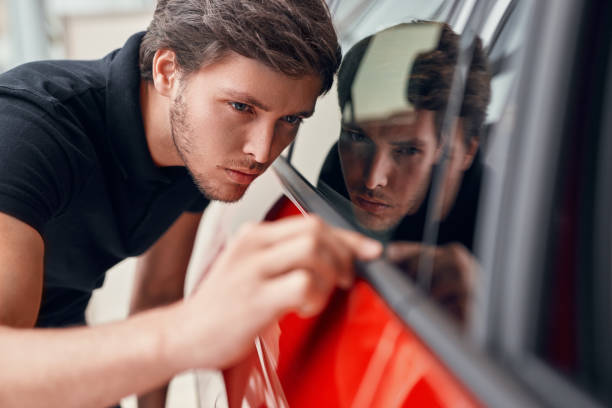
1. Inspect the Exterior (Look for Clues)
Check Panel Gaps: Uneven gaps between hood, doors, or fenders may signal accident repairs.
Look for Paint Mismatches: Different shades = repainting. Not always bad, but worth noting.
Tire Tread Test (Coin Trick): Uneven wear suggests alignment problems.
Check for Rust: Pay close attention under doors, wheel wells, rocker panels. Bubbling paint = major concern.

2. Check the Interior (Smell and Feel)
Sniff for Trouble: Musty smell = leaks; heavy air freshener = cover-up.
Lift Floor Mats: Dampness or stains = water intrusion and possible electrical issues.
Test Every Button: Windows, locks, A/C, heater, wipers. Each broken feature = negotiation power.
Watch the Dash Lights: On startup, warning lights should come on briefly, then go off. If not, there’s an issue.

3. Review the Engine & Test Drive
The Cold Start Rule: Always start the engine cold to catch smoke, rough idle, or knocks.
Check the Oil Dipstick: Milky froth = blown head gasket (walk away).
Listen to Brakes: Grinding or squealing = brake replacement needed.
Feel the Transmission: Shifts should be smooth. Jerking or hesitation = avoid the car.

4. Get a Professional Inspection
If the car passes your DIY inspection, great — but don’t stop there. Book a Pre-Purchase Inspection (PPI) with a trusted mechanic. For a small fee, they can uncover hidden issues and potentially save you thousands.
Buying a used car doesn’t have to be stressful. With this step-by-step inspection checklist, you’ll know what to look for before committing to a deal. Pair it with a vehicle history report (Carfax Canada or ICBC) for complete peace of mind.


Nice
IPTV
Buying a tax free vehicle was a seamless experience that exceeded all my expectations. The communication throughout the process was excellent, and I was kept informed at every stage. The vehicle arrived on time, in perfect condition, and exactly as promised. What impressed me most was the honesty and transparency shown throughout the transaction. It gave me complete confidence that I was making the right decision, and I’m delighted with the final result. https://patriot-autos.net/